
Next case study


Education and sports recruitment · Workflow automation · AI
In their words
The Gamma Developers team has been fantastic to work with. They took the time to understand our challenges, identified the core issues, and delivered a solution that has made a real difference to our business. Their professionalism, clear communication, and commitment to getting things right gave us complete confidence throughout the process. We now have much more peace of mind knowing things are running smoothly and efficiently. We'd happily recommend them to any business looking for a team that genuinely cares about delivering results.
About
International Football Group places ambitious young players into elite pathways: degree programmes run with a UK university partner, gap years, residencies and training experiences with top European clubs. A team of 10+ recruiters guides each lead from first enquiry to arrival, on programmes costing upwards of £25,000. We designed, built and still run the platform it all moves through.
The leak
Every player journey is long. Enquiry, first call, interview, application, offer, deposit, balance, paperwork, departure. Each step needs a message at the right time, and each one is a chance for a lead to go quiet.
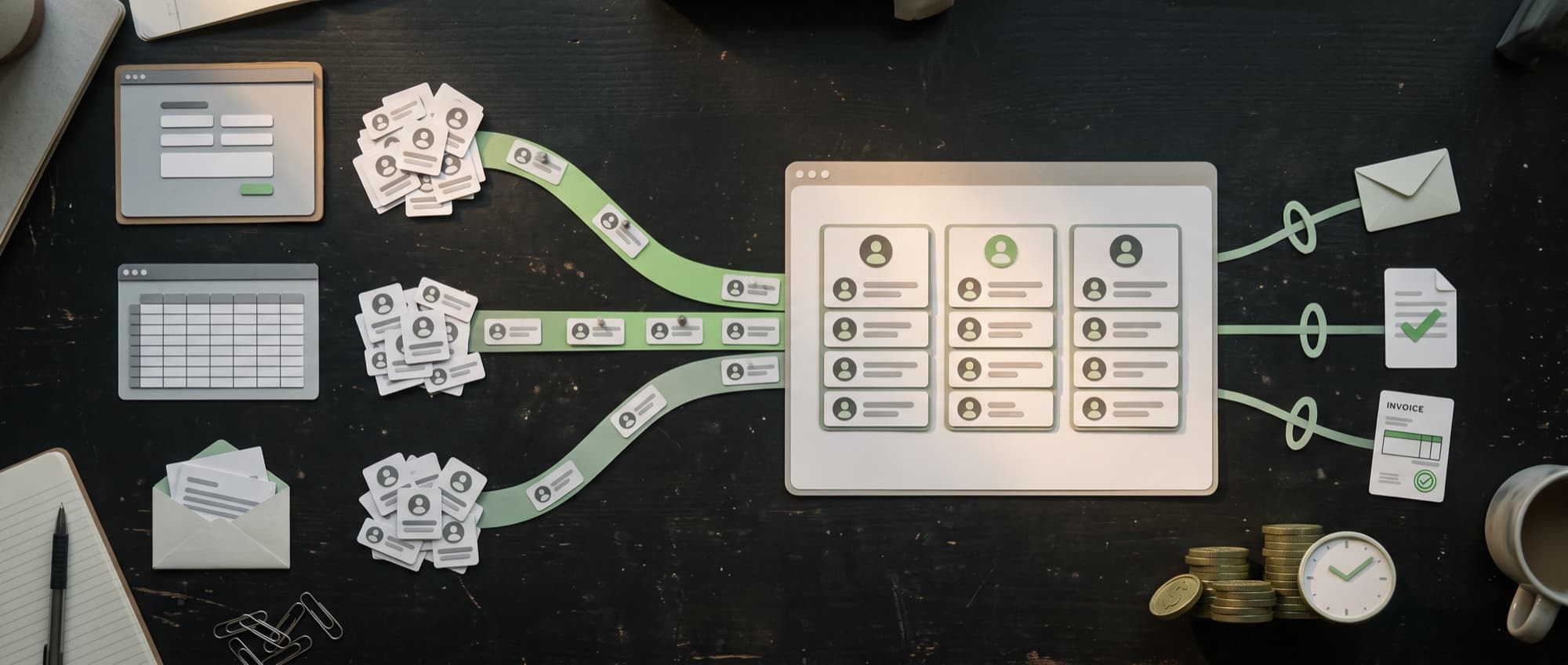
The work ran across ActiveCampaign, Publuu, Xero and a pile of spreadsheets. Between $8,000 and $10,000 a month left the business for tools that mostly just held their own data. None of them talked to each other, so a single lead was spread across four places and nobody could see all of it at once.
Nothing moved on its own. A lead arrived and someone assigned it. An interview was booked and someone sent the confirmation. An offer went out and someone raised the invoice, watched for the payment, then chased it. Every stage waited for a person to push it.
The biggest gap was replies. When they sent a campaign to thousands of past enquiries, answers came back as bare phone numbers. Someone had to open the spreadsheet, find who that number belonged to, and update the record by hand. Warm leads who had just said “yes, I'm interested” sat waiting while that happened.
The team wasn't the problem. They were doing by hand the work the stack was being paid for and couldn't do.
What we built
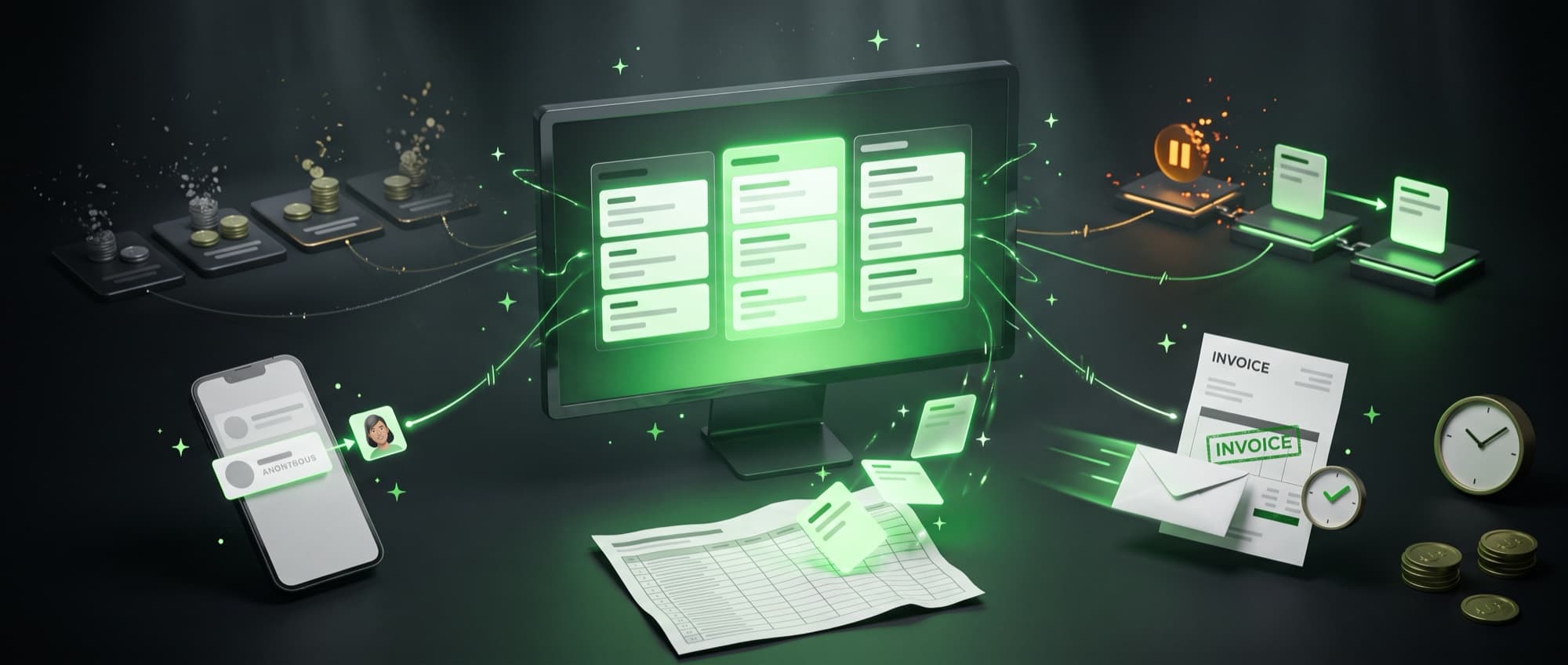
Every lead sits on a board by stage. Moving a card fires that stage's automation on its own: the email, the reminder, the task, the invoice. Nobody has to remember what comes next.
Website forms, campaigns and recruiter entries from tournaments all land on the same board, and every new lead gets a recruiter assigned automatically and fairly, with no one managing a rota.
Every reply finds the right lead automatically, even from a parent's phone or a slightly different name. AI reads it, sorts it into interested, question or not now, and moves the card forward.
Campaigns go out to past enquiries and the follow-up runs itself, stopping the moment someone replies.
An offer becomes a deposit invoice without anyone opening an accounting tool. Leads pay online, spread fees across a plan, and get a polite reminder if a payment is late. The reminder stops as soon as they pay.
The public website and the system behind it are theirs. Contact records, email history and documents sit on their own infrastructure rather than inside four subscriptions.
Each enrolled player gets their own portal to see their balance, pay, and upload documents like passports, without emailing the office.
The AI layer
Two systems sit on top of the platform. One runs the business alongside the team. The other does the work nobody enjoys.
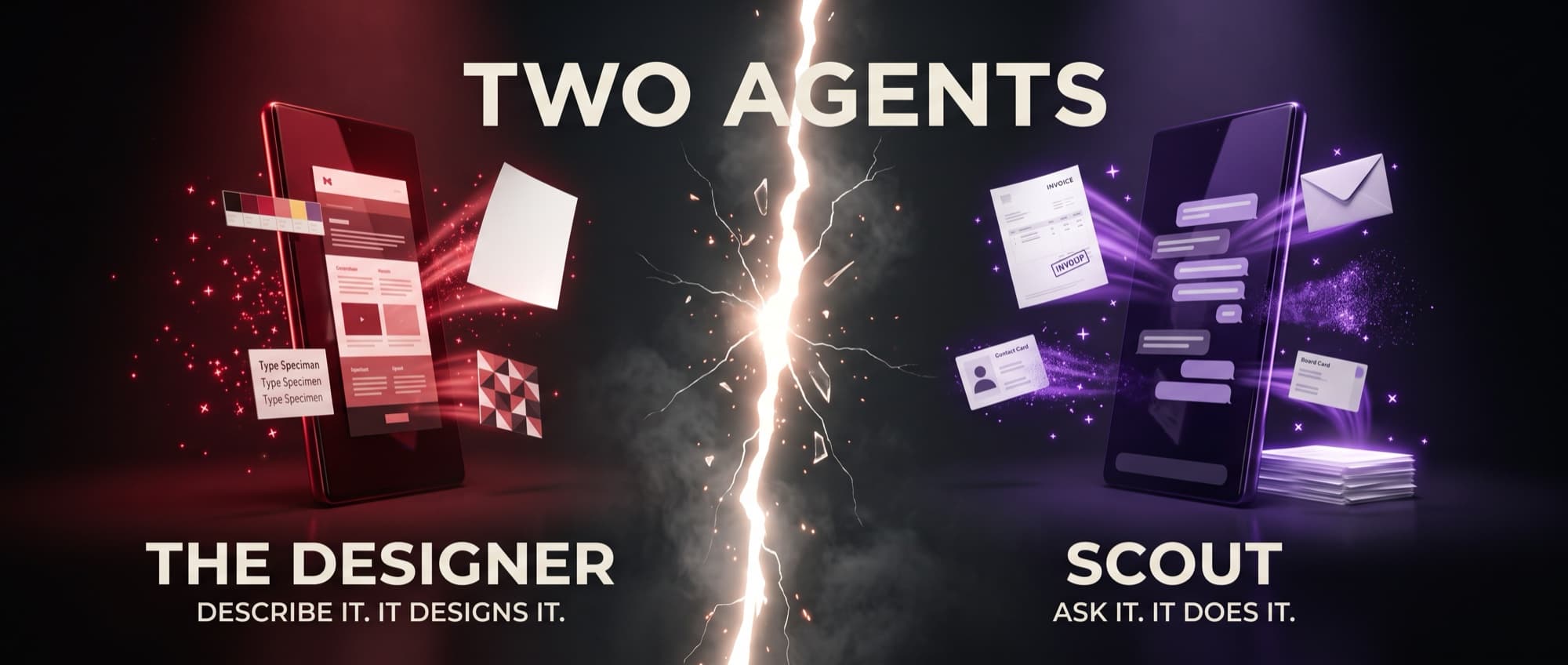
Super admins ask Scout about the business in plain English: how a programme is filling, what came in this month, where a lead has stalled. It answers from the live data rather than a report somebody had to build.
Ask it to raise a $5,000 invoice for a programme and email it to a lead, create a contact, or move a card to the next stage, and it does it. The instruction is a sentence, not a form.
Scout also sits on the public site, where students and parents ask about programmes, fees and entry routes. It answers out of a maintained knowledge base of the group's own material, retrieved and quoted rather than recalled, so it isn't guessing.
Describe the email and the agent produces it finished: the copy, the fonts, the colours, the background and the pattern work. The team sends a designed email without opening a template builder.
Results
The core platform went live in about 12 weeks, built by a team of three, and has been improved every month since. More than 50,000 emails a month move through it across every recruiter, and the stack it replaced was costing $8,000 to $10,000 a month.
80%
cut from the monthly software bill
50,000+
emails a month sent and received across the team
183,000
leads managed in one system they own
~45 hrs/week
of manual spreadsheet work removed, estimated across the recruiting team
12
automations covering the full journey, from first enquiry to departure day
12 weeks
from first line of code to the platform going live
What's still human
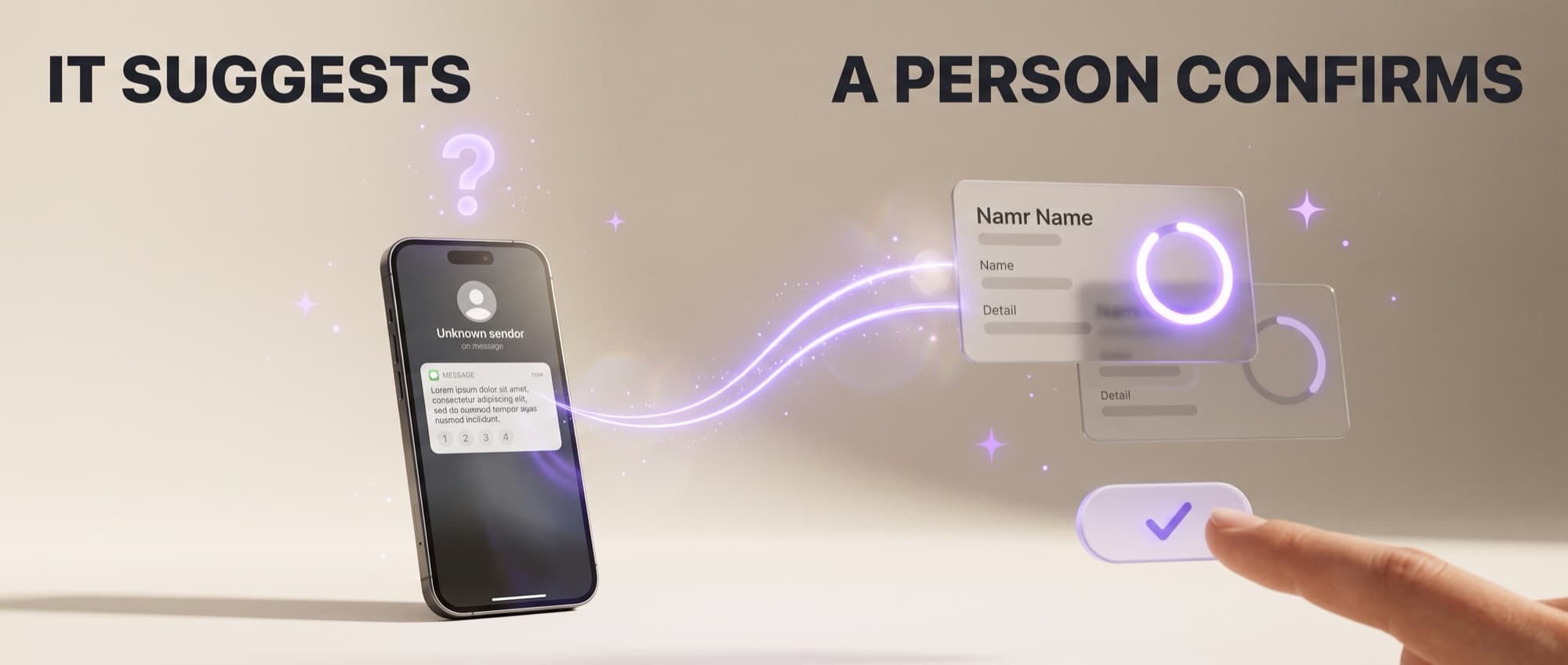
Recruiters still run every interview and make every offer decision. When the system isn't sure who a reply belongs to, it suggests a match with a confidence level and a person confirms it. Automation handles the typing. People handle the judgment.
Takeaway
If every stage of your funnel waits for a person, you don't have a system. You have a to-do list.
This group didn't need more tools. They needed the work to move on its own, and the record of it to live somewhere they own.