

About
We are small becausewe automated our work.
Everything we build for other people, we ran on ourselves first.
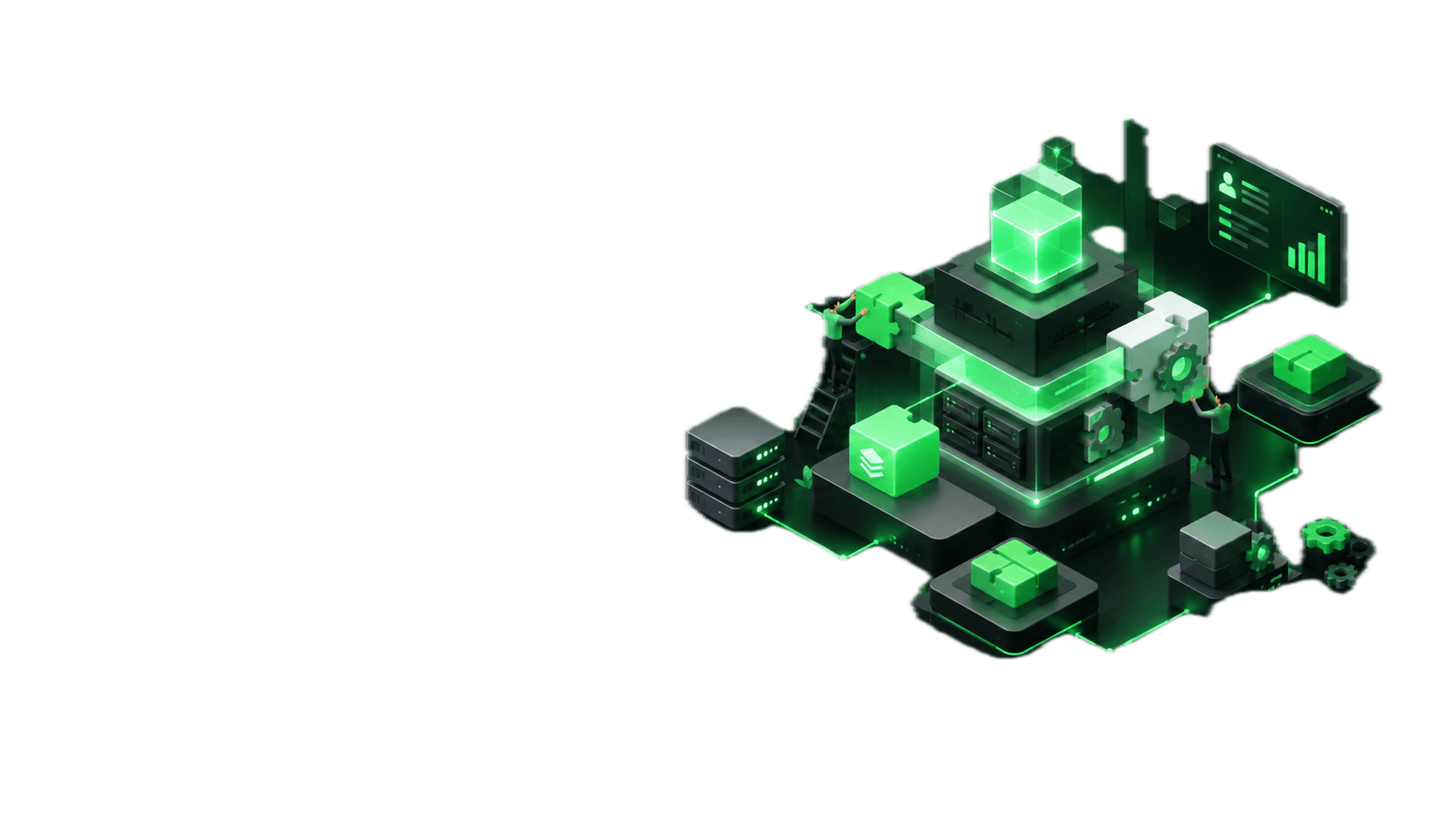
In practice
We were the firstbusiness we fixed.
The short version of how a team this size ended up carrying the work it carries.
- 01
The admin grew faster than the work
The part of the week that actually paid kept shrinking. Proposals written from a blank page every time. The same status report rebuilt every Friday. Replies chased, handovers half-written. The obvious fix was to hire somebody to absorb it, which would have moved the problem rather than solved it.
- 02
So we pointed it at ourselves
We built for our own business the thing we had been building for other people: systems that carry the repeating half and escalate anything that needs a decision. The early versions broke in exactly the ways client projects break — an exception nobody planned for, and nobody owning it after launch. We learned that on our own time instead of somebody else’s.
- 03
The week changed shape
What is left is the work that needed us: scoping, the calls, and the judgment calls a system should never be making. We stayed small because we stopped needing to grow just to keep up — and we stopped recommending anything we had not lived with first.
Every system we put into a business is one we already run ourselves.
The team
The people behindevery system we ship.
Anyone can buy the same models. The difference is who decides what to point them at.
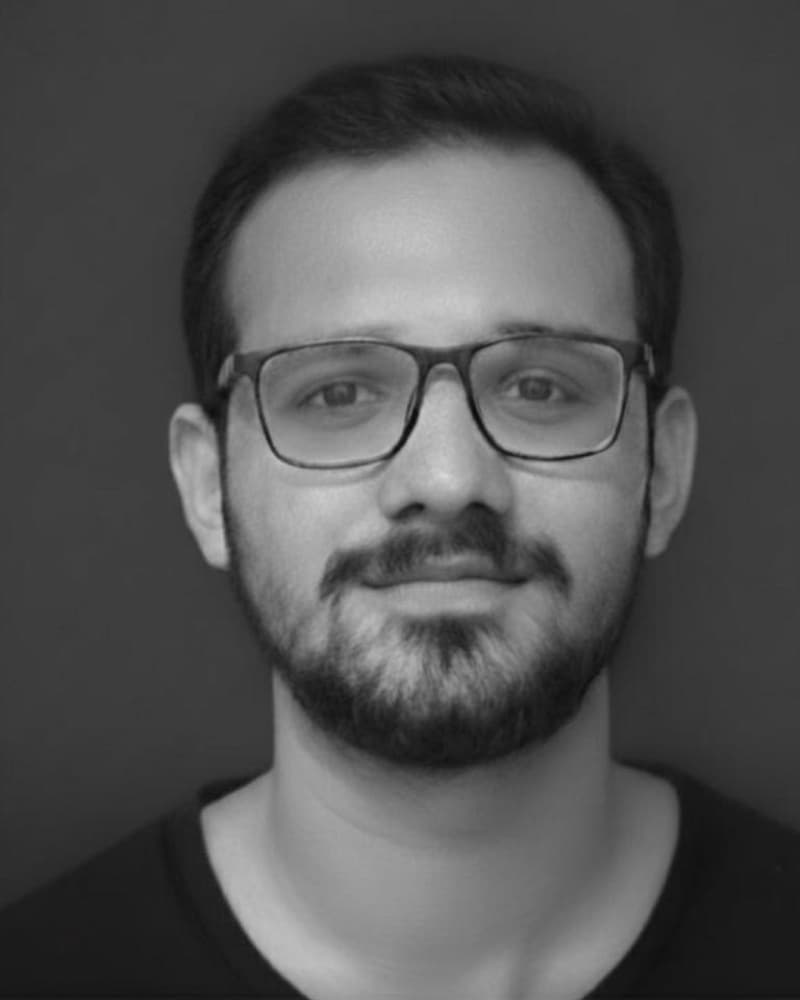
Ghulam Mohi Ud Din
Co-founder & CEO

Muhammad Abubakar
Co-founder & MD
Next step
Talk to the peoplewho’d build it.
No prep and no pitch. You describe how the work moves today, and you leave knowing whether there is anything here worth doing.
Book the AI audit